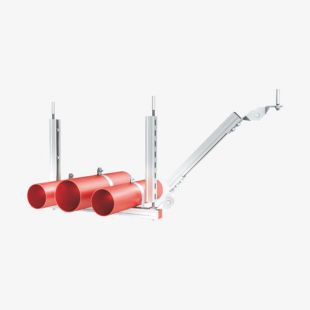
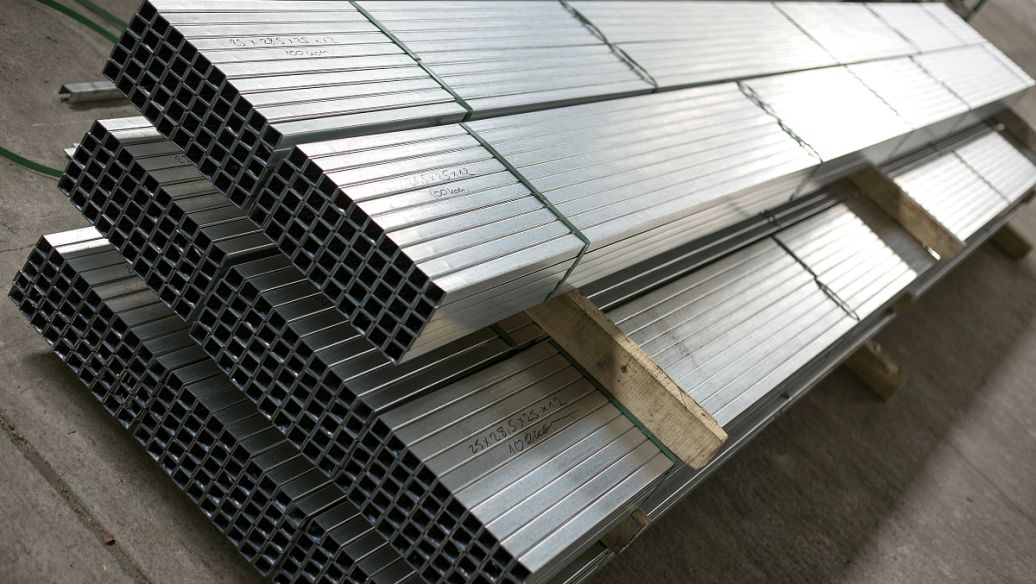
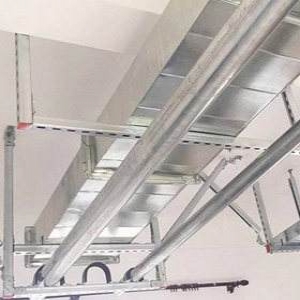
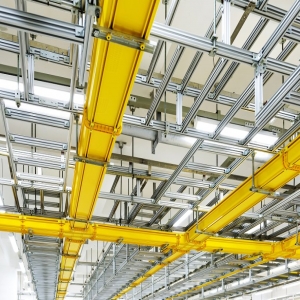
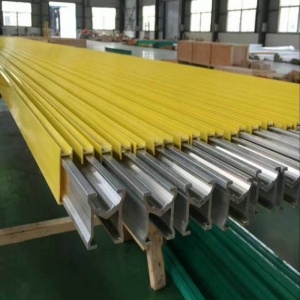
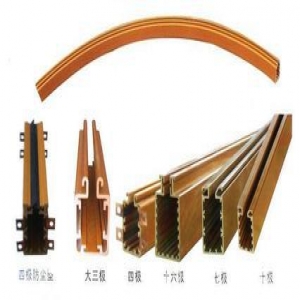
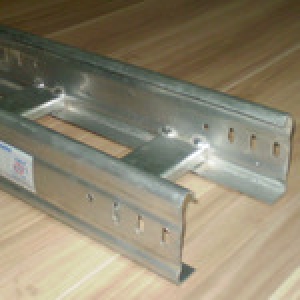
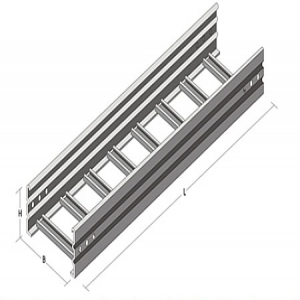
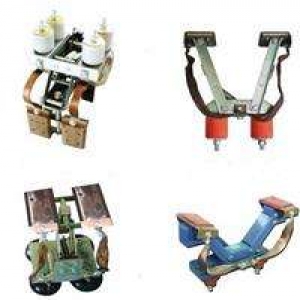
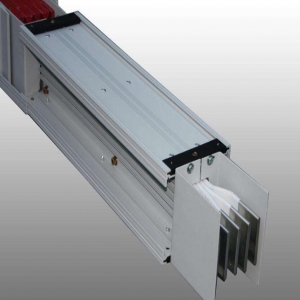
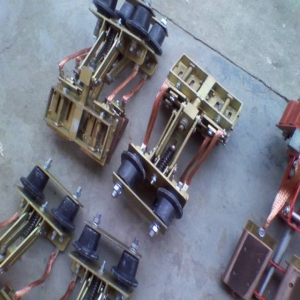
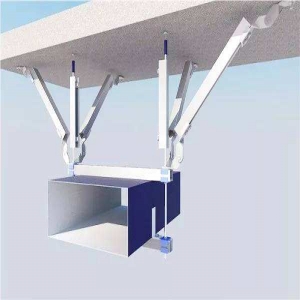
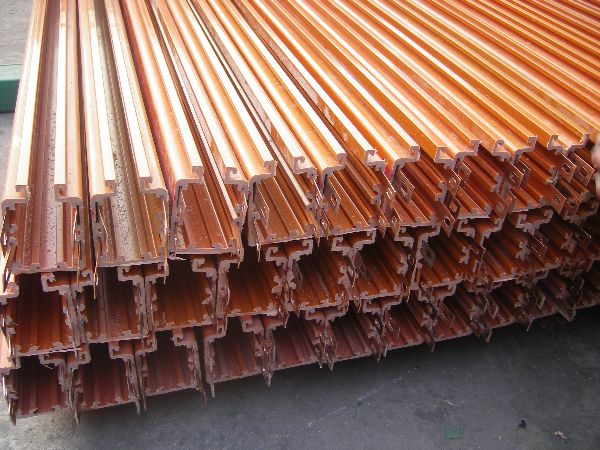
Cable tray is mainly used to support and protect cables, providing a way for cables to be laid inside or outside buildings. Cable trays can be classified by material into steel, aluminum alloy, and other types, and by structure into ladder type, tray type, trough type, and other forms.
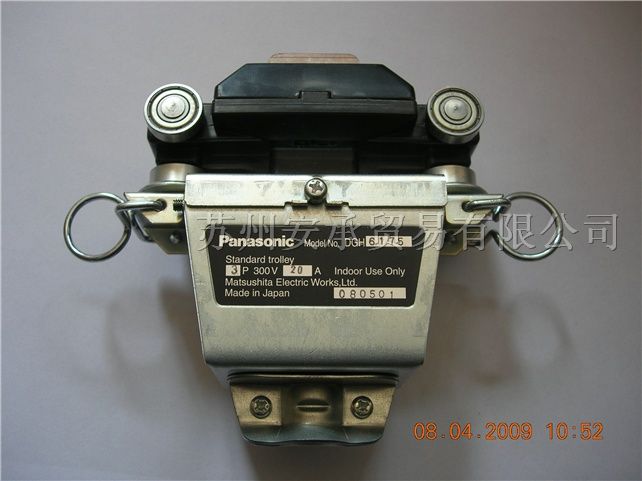
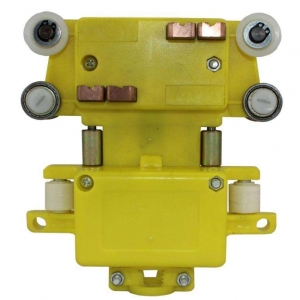
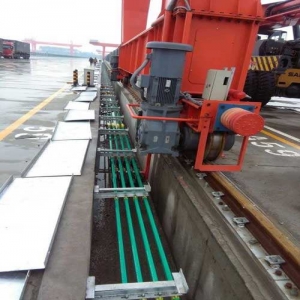
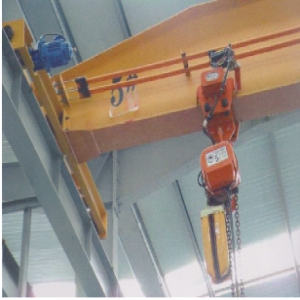
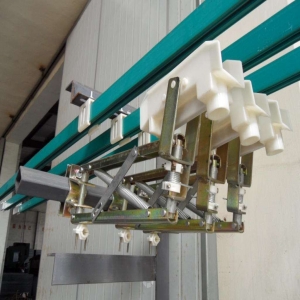
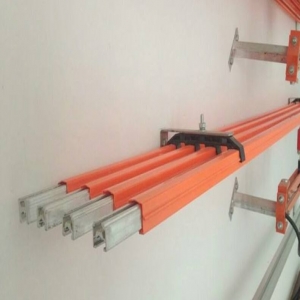
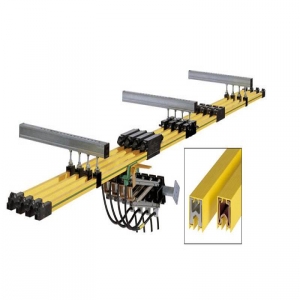
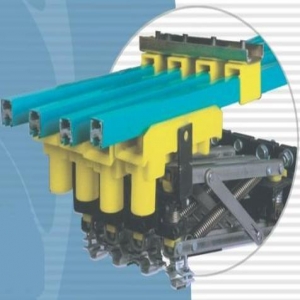
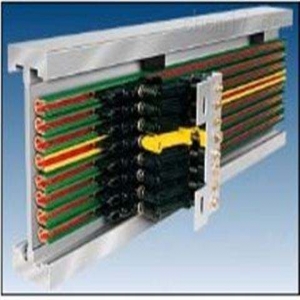
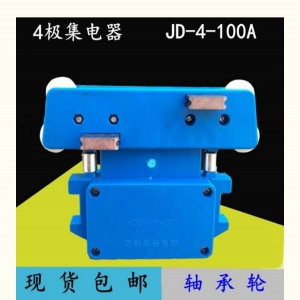
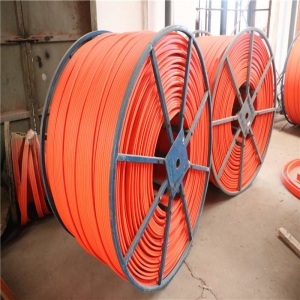
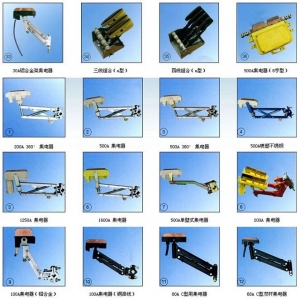
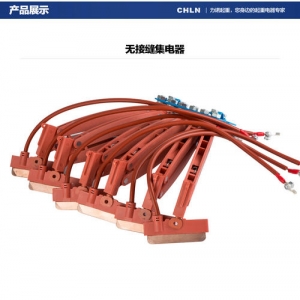
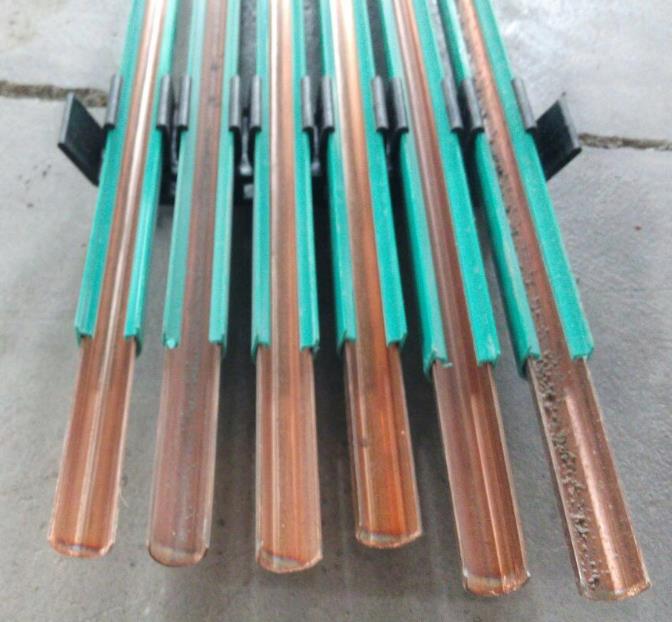
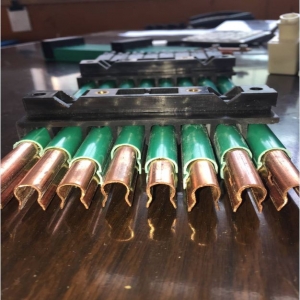
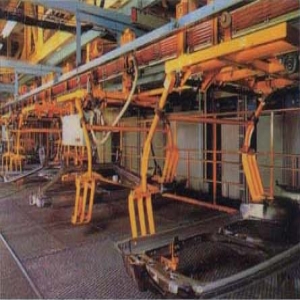
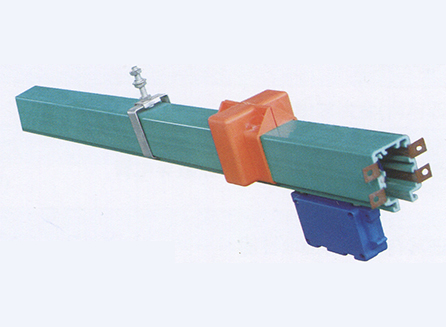
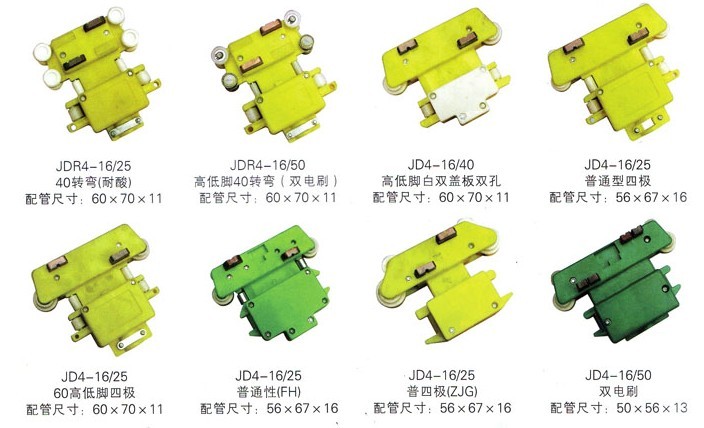
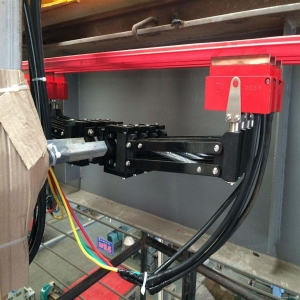
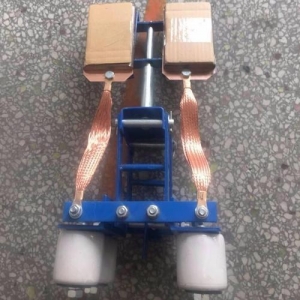
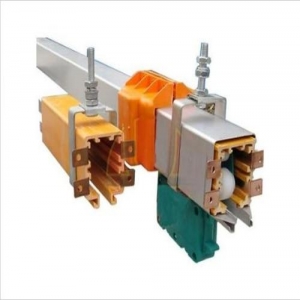
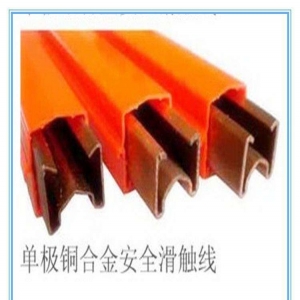
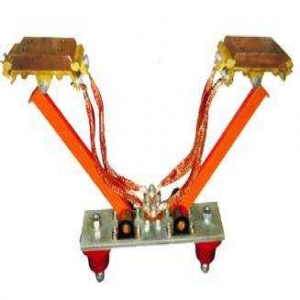
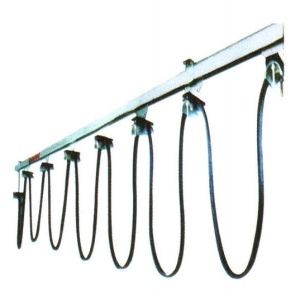
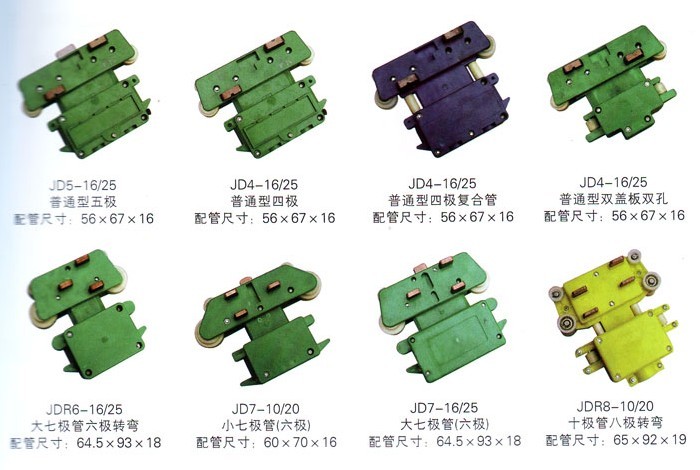
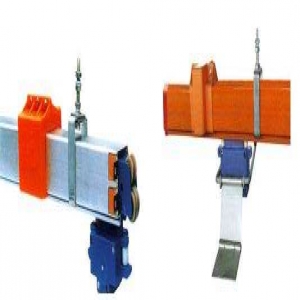
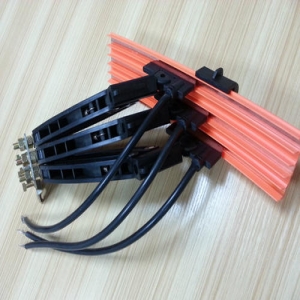
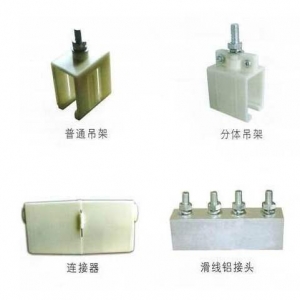
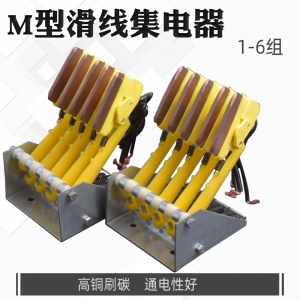
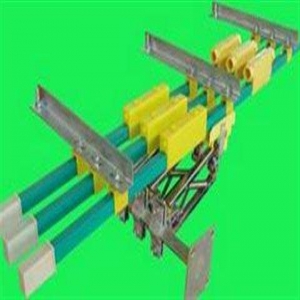
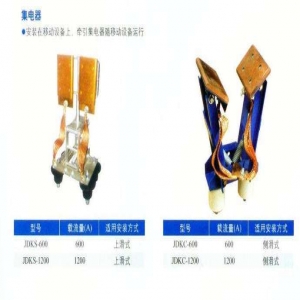
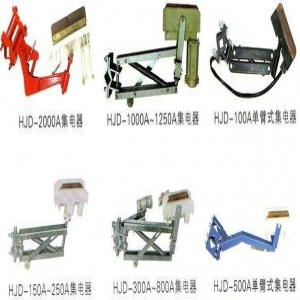
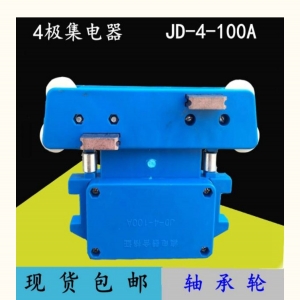
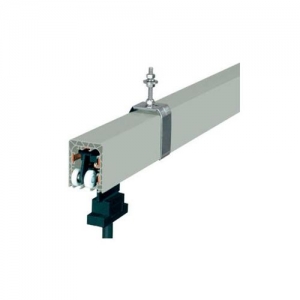
The working principle of a sliding contact system is relatively simple. When mobile equipment moves along the track, its collectors maintain contact with the sliding contact line, establishing an electrical connection. This ensures continuity of power supply even when the equipment moves quickly or frequently changes direction.
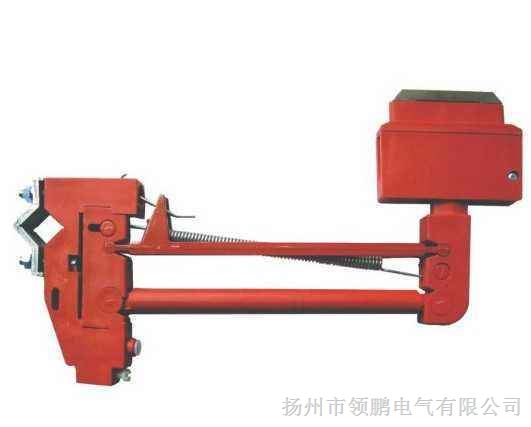
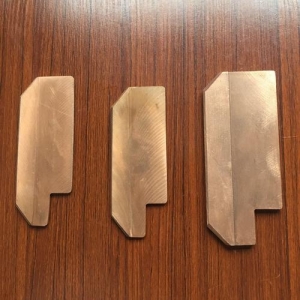
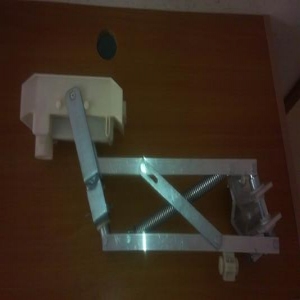
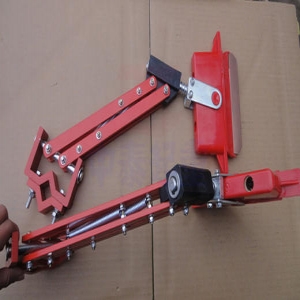
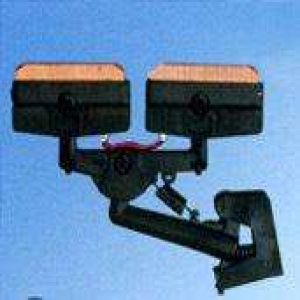
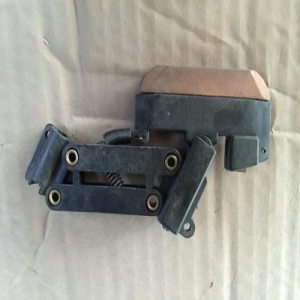
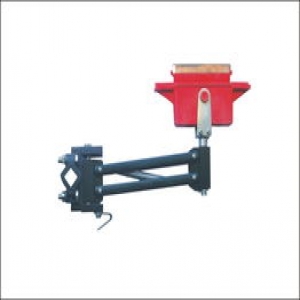
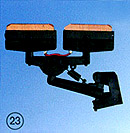
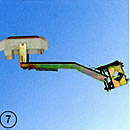
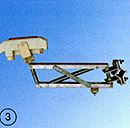
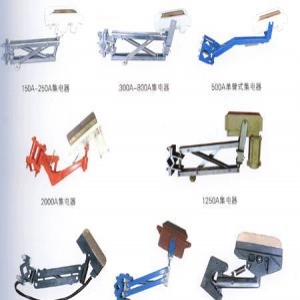
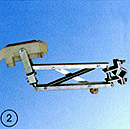
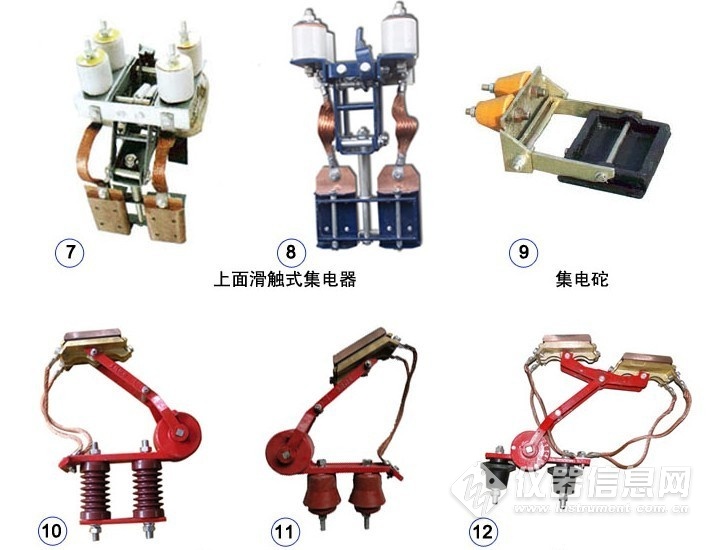
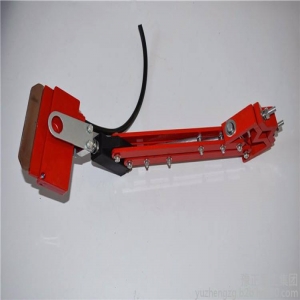
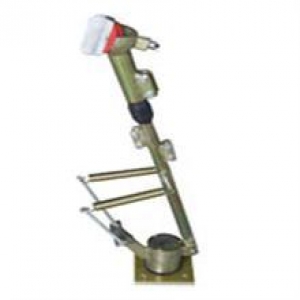
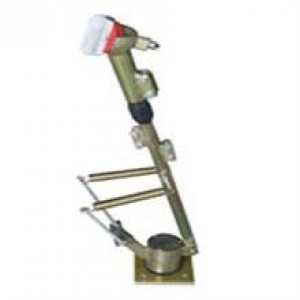
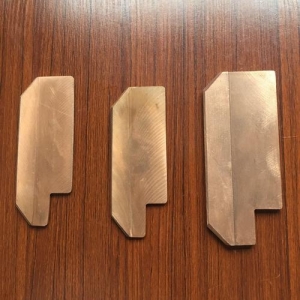
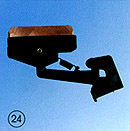
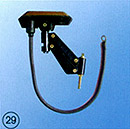
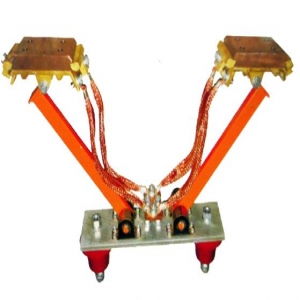
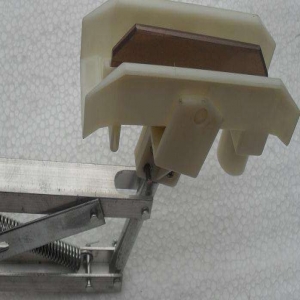
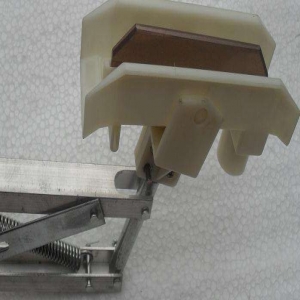
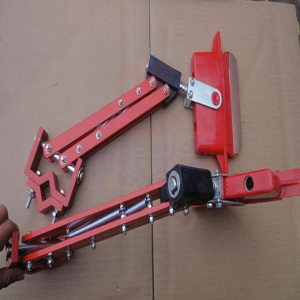
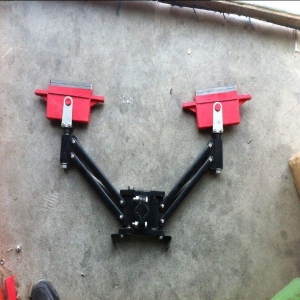
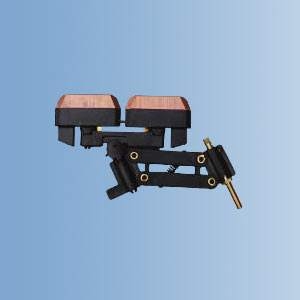
Bow head: The part that directly contacts the contact wire, usually equipped with carbon slide plates, because carbon materials are wear-resistant and have good electrical conductivity.
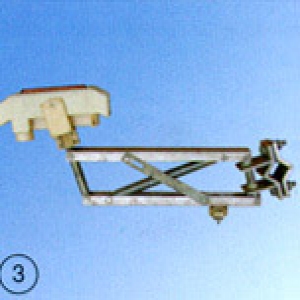
Support structure: Including the bow arm, linkage mechanism, etc., used to support the bow head and ensure it can smoothly follow the undulations of the contact wire.
Drive device: Can be pneumatic or electric, used to control the lifting and lowering action of the pantograph.
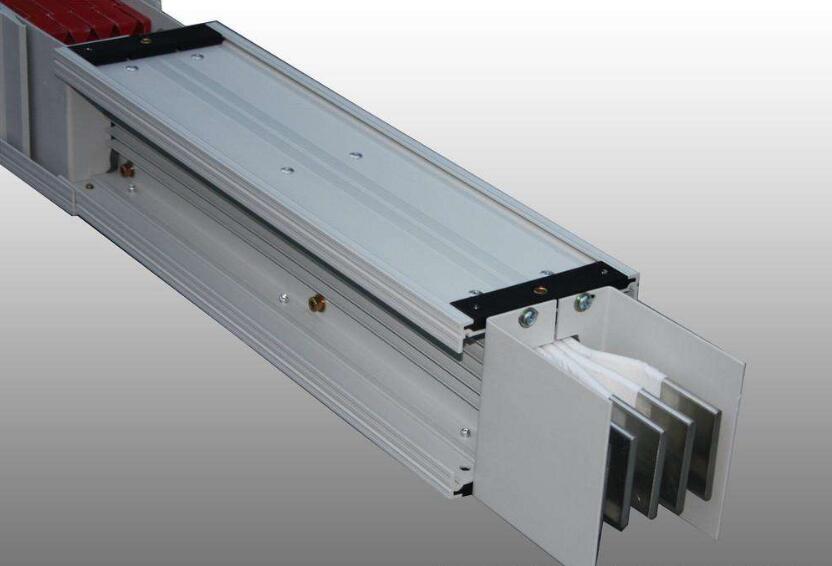
In modern buildings and industrial facilities, the reliability of power transmission systems is crucial. Cable trays and busways are both important components used for power transmission, but they each have unique characteristics and applicable scenarios. This article aims to help readers better understand the differences between these two systems through a comparative analysis, and choose the most suitable solution for specific needs.
With the development of modern buildings, the complexity and capacity demands of power systems are increasing. As an important cable support system, cable trays need to consider installation efficiency, maintenance convenience, and safety while ensuring power supply. This article will explore how to achieve efficient power transmission and improve the overall operational efficiency of buildings by selecting appropriate cable tray systems.
Heterogeneous integration technology enables the integration of different materials, processes, and device structures on a single platform, achieving high-performance, multifunctional devices. For instance, the Shanghai Institute of Microsystem and Information Technology has made significant progress in 8-inch SOI/lithium niobate heterogeneous integration, enhancing optoelectronic device performance.