Contact Wire Carbon Brush Block Trolley Wire Carbon Brush
Contact wire carbon brush block trolley wire carbon brush block trolley wire carbon brush block trolley wire carbon brush block trolley wire carbon brush block trolley wire carbon brush block trolley wire carbon brush block trolley wire carbon brush block carbon brush is used in brushed motors, pressing against the surface of the commutator. When the motor rotates, electrical energy is transmitted to the coil through the commutator. Since its main component is carbon, it is called a carbon brush, and it is prone to wear.
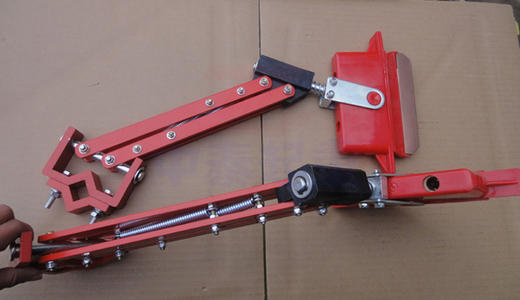
Trolley wire current collector is the main device for picking up electrical energy on the collection side in a trolley wire system. It directly conducts electrical energy to the electrical equipment through sliding contact between the collector brush and the guide rail, thereby achieving mobile power supply for the system. Trolley wire current collector consists of two parts: a mechanical tension device and a collector brush that directly slides in contact with the guide rail.
The mechanical tension device determines the sliding contact pressure between the collector brush and the guide rail and the stability of the mechanism. The collector brush is the conductor that slides in contact with the guide rail to pick up electrical energy. Its performance, conductive quality, and the quality of material structure and composition will directly affect the safe operation quality of the entire system equipment. Different types of trolley wires have different trolley wire current collectors.
Main components:
Shoe box, shoe piece, spring, current collector bracket, current collector support parts, and other components.
Classification:
Current collectors are divided into heavy-duty current collectors and light-duty current collectors. The choice between light-duty and heavy-duty current collectors can be determined based on the current of the trolley wire.
Generally, if the trolley wire current is less than or equal to 500A, a light-duty current collector can be selected; if it is greater than 500A, a heavy-duty current collector is selected.